
When protecting your home from unpredictable weather, roof flashing is one of the most essential components of your roofing system. Flashing acts as a protective seal at vulnerable points on your roof, such as around chimneys, vent pipes, skylights, and roof valleys. Winter snow, spring rains, and fluctuating temperatures can accelerate flashing wear over time. Without intact flashing, your roof becomes susceptible to leaks and other serious damage that can affect siding, attic insulation, and even interior walls. Recognizing the early signs of failed flashing can help you act quickly and prevent major repairs or costly replacements. Here are the most common signs your roof flashing may have failed and what you should do next.
Visible Rust or Corrosion
Flashing on older homes is often made from galvanized steel or aluminum. Over time, exposure to moisture and changing temperatures can lead to rust or corrosion. If you notice brown, reddish, or powdery streaks on or near the flashing, especially around chimneys or roof valleys, it is a clear indication that the metal is deteriorating. Corroded flashing loses its ability to repel water, which can eventually lead to hidden leaks that damage both your roof deck and home siding.
Water Stains or Leaks Indoors
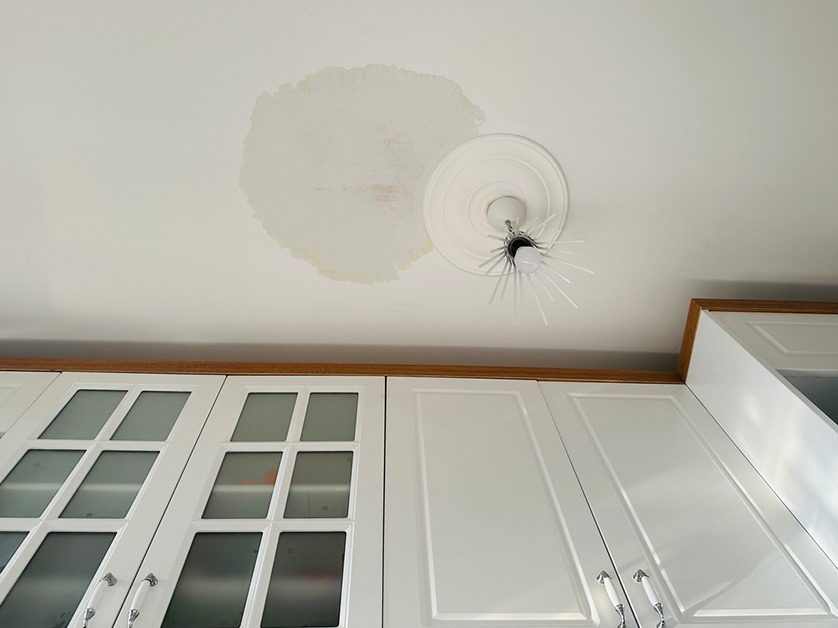
One of the clearest signs of failing flashing is the appearance of water stains on ceilings or walls, especially after heavy rain or snowmelt. These stains often appear as brown rings or damp, discolored patches. In many homes, these spots show up near attic spaces or interior corners. Persistent leaks around flashing can also damage insulation and contribute to ice dam formation during colder months. If you notice these warning signs, contact a roofing contractor promptly to inspect and repair the issue before interior damage worsens.
Lifted, Bent, or Missing Flashing
Strong winds and seasonal weather changes can lift or dislodge flashing, particularly if it was improperly installed or has weakened with age. From the ground, look for metal pieces that appear bent, raised, or missing around roof edges, vents, or areas where the roof meets the siding. Exposed seams allow water to penetrate vulnerable areas. Damaged or missing flashing can also create openings that compromise siding performance and even allow pests into your home.
Cracked or Deteriorated Caulking and Sealants
Flashing is commonly sealed using roofing cement or weather-resistant caulk. Over time, these materials can dry out and crack due to repeated freeze-thaw cycles and prolonged weather exposure. Once the caulking begins to split or pull away, water can seep beneath the flashing and cause the underlying wood to swell, rot, or develop mold growth.
Mold or Mildew Growth Near the Roof or Siding
If your flashing is leaking, you may notice dark streaks, mold, or mildew growth along the roofline or exterior siding. In humid conditions, ongoing moisture exposure can quickly lead to unhealthy fungal growth. In addition to harming your home’s curb appeal, mold and mildew often indicate prolonged water intrusion caused by improperly sealed or damaged flashing.
Schedule Professional Inspection and Repairs for Peace of Mind
Protecting your home requires vigilance, especially when it comes to the condition of your roof. The experienced professionals at Up and Above Contractors, LLC can address every aspect of exterior restoration, from flashing repairs to complete roof replacements. As a trusted roofing contractor in Andover, NJ, our team also provides dependable service as a siding contractor and offers quality replacement windows and doors to improve your home’s comfort, energy efficiency, and value. If you notice any of these warning signs, contact us today at (973) 300-0636 or fill out our contact form to schedule a comprehensive inspection. We serve Northern New Jersey, including Sussex, Morris, and Warren counties, with towns like Sparta and Andover among others.